Root Canal Treatment in Peoria Heights
Root Canal Treatment in Peoria Heights
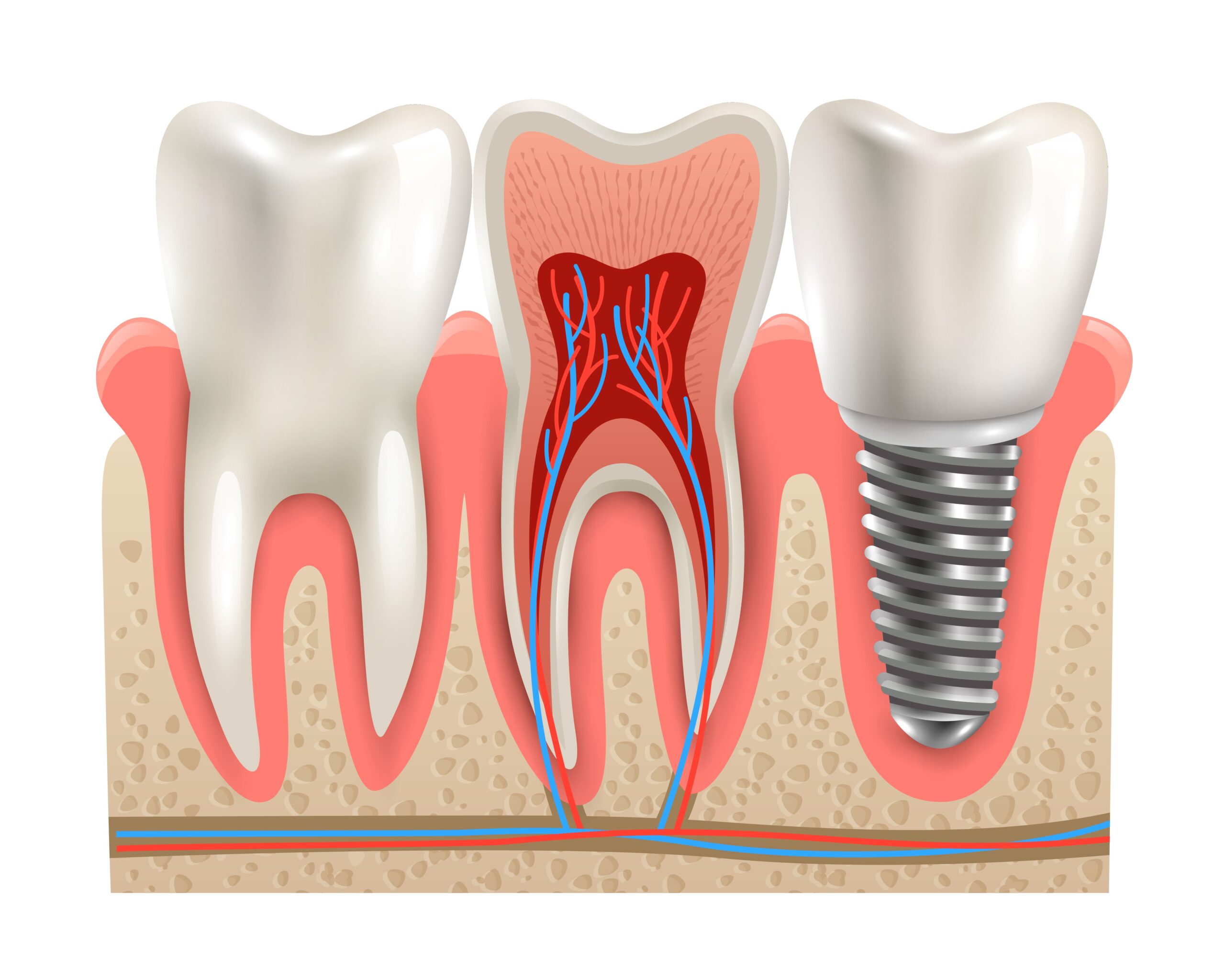
Root canal treatment helps preserve a natural tooth when its inner pulp becomes infected or damaged. However, the recommended treatment plan can vary depending on the affected tooth, infection severity, root canal complexity, and the restoration required afterward.
Affinity Dental Peoria Heights provides dental care for patients experiencing tooth pain, sensitivity, and other signs of dental infection. Understanding the available treatment options can help patients make informed decisions. This guide covers a comparison table, common treatment differences, and a checklist of what may be included or required separately.
Root Canal Treatment Options in Peoria Heights: What Determines the Right Choice?
The right treatment depends on the affected tooth, the complexity of its root structure, and the extent of pulp damage or infection.
| Type / Option | Key Characteristics | Best Fit For |
|---|---|---|
| Anterior Root Canal Treatment | Treats infected pulp in front teeth, which generally have simpler root structures. | Patients with infection or pulp damage in front teeth. |
| Premolar Root Canal Treatment | Addresses infection in premolars, which may have varying canal structures. | Patients with damaged or infected premolar teeth. |
| Molar Root Canal Treatment | Treats infected pulp in back teeth that often have multiple canals. | Patients requiring treatment for infected or damaged molars. |
| Root Canal Retreatment | Addresses persistent or recurring infection in a previously treated tooth. | Patients whose earlier root canal treatment needs further attention. |
| Root Canal with Dental Crown | Combines root canal treatment with a protective restoration when additional strength is needed. | Patients whose treated teeth require structural support. |
A simple way to understand the options: Straightforward cases may involve treating an affected front tooth. More complex cases may require additional attention to multiple canals, retreatment, or a protective dental crown.
The dentist determines the appropriate approach after examining the tooth and evaluating its condition.
Why Do Two Root Canal Treatment Quotes in Peoria Heights Look Different?
Dental providers may recommend different treatment plans because they do not always include the same procedures or restorative requirements. Comparing the complete scope of treatment is more useful than looking at the root canal procedure alone.
Common differences include:
Treatment bundling: Some plans include the root canal procedure and final restoration, while others list them separately.
Complexity levels: Front teeth, premolars, and molars have different root structures, which can affect treatment requirements.
Follow-up care: Plans may differ in the reviews and monitoring required after the procedure.
Additional procedures: Certain cases may require diagnostic imaging, temporary restorations, or specialist evaluation.
Before proceeding, ask whether the proposed treatment includes the final restoration and whether additional procedures may be necessary.
Root Canal Treatment Types in Peoria Heights: What Each Option Involves
Anterior Root Canal Treatment
Anterior root canal treatment removes infected or damaged pulp from front teeth. It may suit patients experiencing persistent tooth pain or sensitivity caused by pulp inflammation or infection.
The treatment approach depends on the tooth’s condition and surrounding tissues.
Premolar Root Canal Treatment
Premolar root canal treatment focuses on removing infected pulp from premolars. These teeth can have different canal structures, so the dentist evaluates their anatomy before recommending treatment.
The complexity depends on the number and shape of the canals.
Molar Root Canal Treatment
Molar root canal treatment addresses infection in back teeth, which often have multiple canals. These procedures may require additional attention because of the more complex internal structures.
It may be recommended when a molar can be preserved and restored successfully.
Root Canal Retreatment
Root canal retreatment may be recommended when a previously treated tooth develops persistent or recurring infection. The dentist examines the existing root canal filling and the condition of the tooth before deciding whether further treatment is appropriate.
Some complex cases may require evaluation by an endodontist.
The option should fit the case, not be picked like a menu item. The treatment recommendation should reflect the infection, root canal anatomy, and possibility of preserving the natural tooth.
Root Canal Treatment Checklist: Included vs Extra
Understanding what a root canal treatment plan covers helps patients prepare for the complete procedure.
| Often Included | Often Extra or Case-Dependent |
|---|---|
| Initial dental consultation | Additional diagnostic imaging when required |
| Examination of the affected tooth | Specialist endodontic evaluation |
| Removal of infected or damaged pulp | Complex retreatment procedures |
| Cleaning, shaping, and sealing of root canals | Final dental crown or additional restoration, if not included |
One important factor that can change the overall treatment plan is the amount of natural tooth structure remaining after infection or damage. A tooth with significant structural weakness may require a dental crown to provide additional protection and restore its function.
The Root Canal Treatment service page at Affinity Dental Peoria Heights should explain when treatment is recommended and why infection severity, root canal complexity, and remaining tooth structure matter when selecting the appropriate treatment approach.
Still Looking for the Best Root Canal Treatment in Peoria Heights? Contact Affinity Dental Peoria Heights
Affinity Dental Peoria Heights, located at 4450 N Prospect Rd, Ste S5, Peoria Heights, Illinois, provides dental care for patients seeking evaluation and treatment for damaged or infected teeth.
If you are experiencing persistent tooth pain, sensitivity, or signs of dental infection, a professional examination can help determine whether root canal treatment is appropriate.
Follow these steps before proceeding:
Consult: Discuss your symptoms and dental concerns with the dentist.
Confirm the scope: Understand the affected tooth, infection severity, and recommended procedures.
Choose the option: Review suitable treatment and restoration options based on your dental condition.
Get the plan in writing: Confirm the procedures, follow-up appointments, restoration requirements, and additional care.
Choosing the Best Dental Office in Peoria Heights means finding a practice that explains treatment recommendations clearly and focuses on preserving natural teeth whenever possible.
Contact Affinity Dental Peoria Heights at 309-327-3333 to enquire about root canal treatment and schedule a dental consultation.