

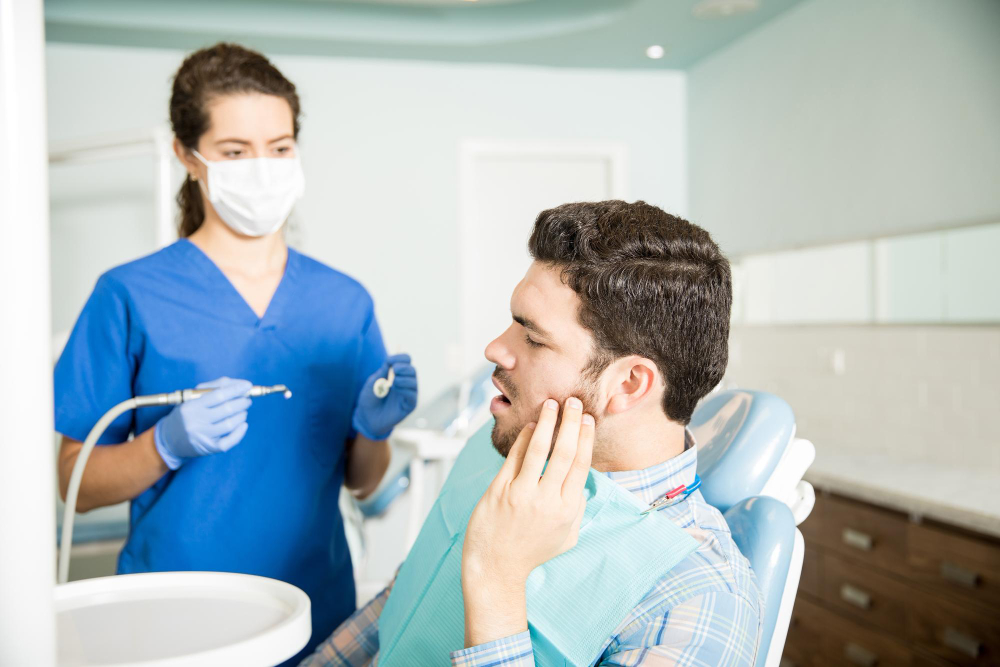
At Affinity Family Dental, wisdom teeth extraction helps prevent oral health issues caused by impacted, crowded, or misaligned wisdom teeth. Wisdom teeth, also called third molars, often develop in late teens or early adulthood and may create discomfort when there is not enough space in the mouth. Extraction may help reduce pain, swelling, infections, crowding, and damage to nearby teeth while protecting long-term oral health.
Our dental team carefully evaluates your condition to determine whether wisdom tooth removal is the right solution for your dental needs.
Wisdom teeth extraction is a procedure used to remove one or more third molars that may be causing pain, crowding, infection, or alignment concerns. Depending on the position and condition of the tooth, treatment may involve local anesthesia, sedation, or other methods to help patients remain comfortable.
During the procedure, the affected tooth may be carefully removed, and the treatment area is cleaned to support healing and recovery.
After treatment, mild swelling, discomfort, or bleeding may occur temporarily as part of the healing process.

“Wisdom teeth extraction is a commonly performed procedure designed to protect oral health and prevent future complications.”

Before wisdom teeth removal, a consultation and examination help determine the best treatment plan for your needs.
Before Your Procedure
Understanding the process beforehand can help patients feel more prepared and comfortable before treatment.
“A consultation helps evaluate wisdom teeth and determine the safest and most effective treatment approach.”
Proper preparation can support a smoother treatment and recovery experience.
Preparation Tips
Our dental team will provide personalized guidance to help ensure a safe and comfortable experience.

“The first step toward wisdom teeth extraction begins with a thorough consultation and treatment plan.”
Healing after wisdom tooth extraction varies by patient, but proper aftercare can help support recovery and reduce discomfort.
Recovery Tips
Following aftercare instructions helps reduce complications and supports proper healing.
“Proper aftercare and rest play an important role in healing after wisdom teeth extraction.”
This depends on the type of anesthesia or sedation used. Patients receiving sedation may need someone to drive them home after the procedure.
Mild discomfort, swelling, or soreness is common after treatment and can often be managed with cold compresses and recommended medications.
Soft foods and plenty of hydration are recommended during recovery. Avoid hard, hot, crunchy foods and using straws during the healing period.
Wisdom teeth may be removed at different ages depending on tooth position, symptoms, and oral health concerns. Many patients undergo evaluation in their late teens or early adulthood.
Avoid smoking, strenuous activity, drinking through straws, or anything that may disturb healing or affect the treatment area during recovery.