

Root Canal Treatment

Root Canal Treatment
At Affinity Family Dental, root canal treatment helps restore and save teeth affected by deep decay, infection, cracks, or trauma. This procedure removes infected tissue inside the tooth, cleans and seals the area, and helps relieve pain while preserving the natural tooth structure. Root canal therapy is designed to restore comfort, improve oral health, and help patients maintain a healthy, functional smile.
Modern dental techniques have made root canal treatment more comfortable than many people expect, often feeling similar to receiving a standard dental filling.
Understanding Root Canal Treatment
A root canal is a dental procedure used to treat infection or damage inside a tooth. When the inner pulp becomes inflamed or infected, treatment is needed to remove damaged tissue, disinfect the inside of the tooth, and protect it from future infection.
Root canal treatment helps preserve the natural tooth while reducing discomfort and preventing further dental complications.
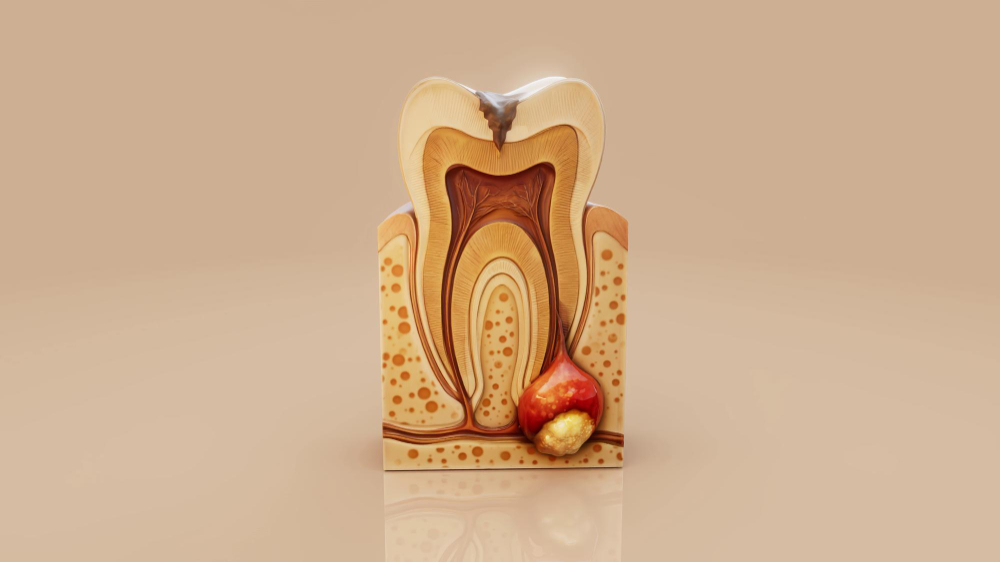
“Root canal treatment removes infected or inflamed pulp to help protect the tooth and prevent future oral health concerns.”
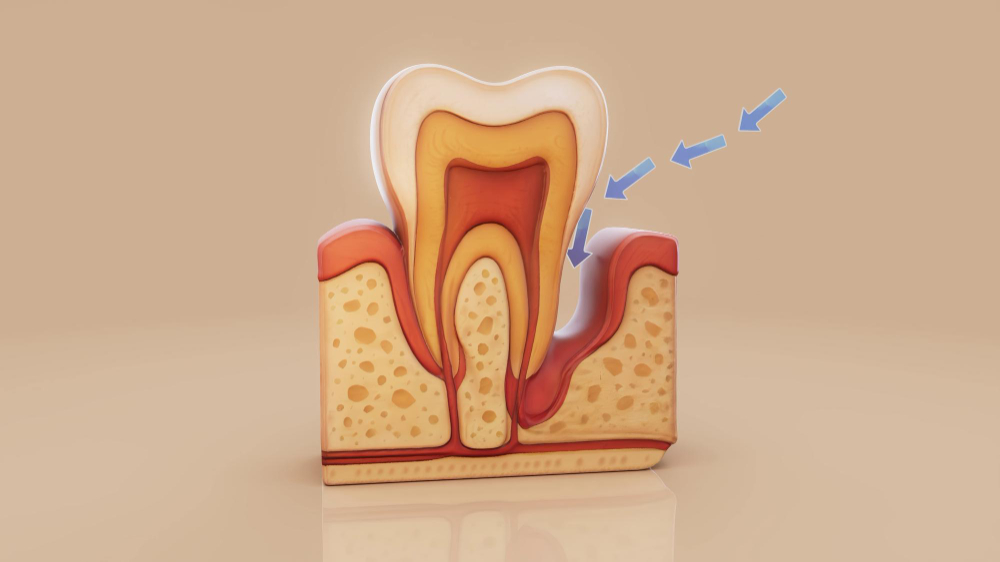
Benefits of Root Canal Treatment
Root canal therapy offers several benefits that support both oral health and long-term comfort.
Benefits of Root Canal Treatment
- Relieves tooth pain and discomfort
- Preserves the natural tooth structure
- Prevents infection from spreading
- Restores chewing and biting function
- Supports overall oral health
- Helps maintain a natural-looking smile
- Reduces the need for tooth extraction
“The primary goal of root canal treatment is to preserve the natural tooth whenever possible.”
The Root Canal Process & Possible Complications
- Examination & Preparation: Our dental team carefully evaluates the affected tooth and may use digital imaging to determine the extent of infection or damage. Local anesthetic is typically used to help keep patients comfortable during treatment.
- Removing Infection: The infected or damaged tissue inside the tooth is carefully removed, and the inner canals are cleaned and disinfected.
- Sealing the Tooth: After cleaning, the tooth is sealed to help prevent future infection and restore protection.
- Restoration & Follow-Up: In many cases, a dental crown or additional restoration may be recommended to strengthen and protect the treated tooth.
Although complications are uncommon, issues such as reinfection or tooth sensitivity may occasionally occur and can usually be treated successfully with follow-up care.
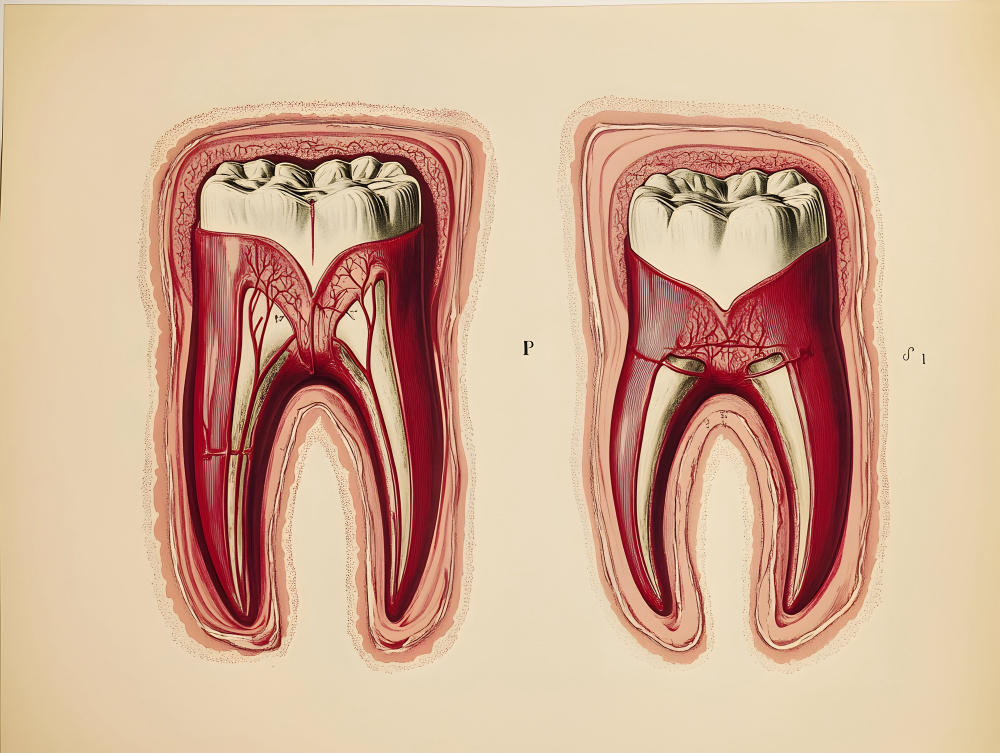
“Root canal treatment is considered a safe and effective procedure for restoring infected or damaged teeth.”
Preventing the Need for Root Canal Treatment
Good oral hygiene and preventive dental care can help reduce the risk of needing root canal treatment.
Prevention Tips
- Brush teeth twice daily
- Floss regularly
- Schedule routine dental checkups
- Avoid excessive sugary foods and drinks
- Maintain a healthy diet
- Wear mouth protection during sports or physical activities
- Address cavities and dental concerns early
“Preventive dental care helps reduce the risk of severe tooth damage and infection.”
Alternatives to Root Canal Treatment
Treatment options may vary depending on the condition of the tooth and severity of damage.
Possible alternatives may include:
- Tooth extraction followed by replacement options such as dental implants, bridges, or dentures
- Medication for temporary infection management
- Other restorative dental procedures depending on the condition of the tooth
In many cases, root canal therapy remains the preferred option for saving a natural tooth whenever possible.

“Tooth extraction may be considered when a tooth cannot be restored through root canal treatment.”
Frequently Asked Questions
Treatment costs vary depending on the severity of the issue, tooth location, and insurance coverage. A consultation can help determine treatment needs and estimated costs.
Coverage varies by insurance provider and plan. Many dental insurance plans may provide coverage for medically necessary treatments.
Most patients recover quickly and can return to normal activities shortly after treatment. Mild soreness or sensitivity may occur for a few days.
Modern root canal treatment is generally comfortable. Many patients compare the procedure to receiving a dental filling, though mild soreness afterward can be normal.
Following treatment, patients should follow aftercare instructions, maintain good oral hygiene, avoid chewing on the treated tooth if advised, and attend follow-up appointments for proper healing.