Dental Crowns vs. Dental Bridges: Which Is Right for You?
Dental Crowns vs. Dental Bridges: Which Is Right for You?
A missing tooth can affect your bite, chewing, speech, and confidence. Dental crowns and dental bridges are common restorative options, but the right choice depends on the condition of your teeth, the location of the missing tooth, and the overall treatment plan.
Affinity Dental Peoria Heights provides dental care for patients dealing with missing teeth and other oral health concerns. The practice can evaluate your needs and help you understand which restoration may fit your case. This post compares the options in a simple table and provides a checklist of what may be included or treated as an extra service.
Missing Tooth Options in Peoria Heights: What Determines the Right Choice?
The right restoration depends on the health of your surrounding teeth, the location of the missing tooth, and the condition of your bite.
| Type/Option | Key Characteristics | Best Fit For |
|---|---|---|
| Dental Crown | Covers and protects a damaged or weakened tooth | Patients with a remaining tooth that needs restoration |
| Dental Bridge | Uses supporting teeth to replace a missing tooth | Patients with a missing tooth and suitable neighboring teeth |
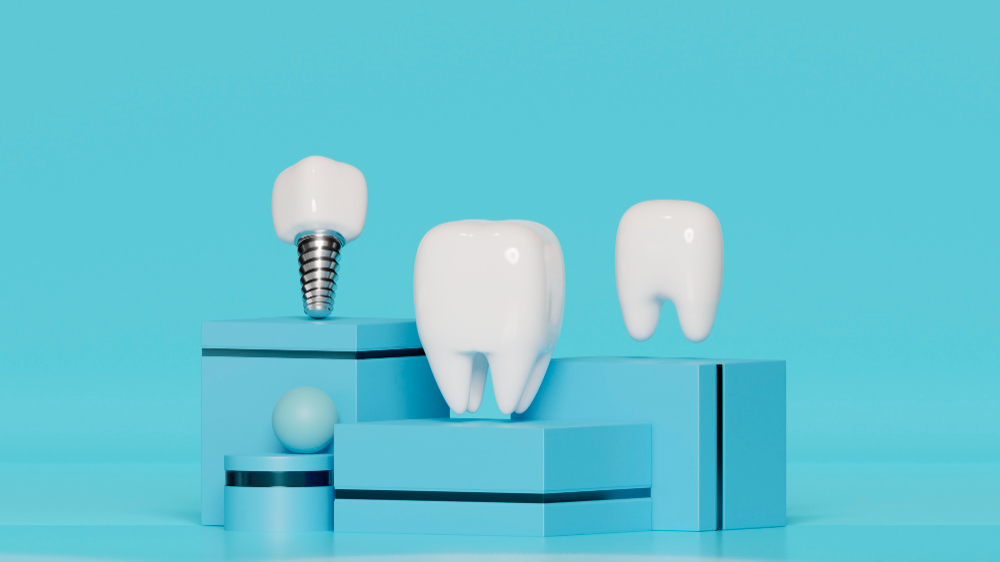
| Dental Implant | Replaces a missing tooth with an implant-supported restoration | Patients seeking a fixed replacement supported by the jaw |
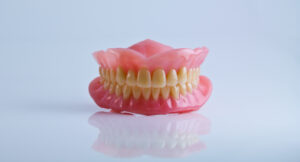
| Dentures | Replace multiple missing teeth with a removable restoration | Patients with several missing teeth |
A simple way to understand the choices is this: a crown restores a tooth that is still present, while a bridge replaces a missing tooth by using nearby teeth for support.
An implant follows a different approach by providing support from the jaw, while dentures can address multiple missing teeth.
Why Do Two Missing Tooth Quotes in Peoria Heights Look Different?
Dental providers may not scope the same treatment in the same way. The overall plan can change based on your oral health, the restoration selected, and the preparation needed before treatment.
- Bundling: Some treatment plans may include examinations, preparation, restoration, and follow-up as part of the overall service.
- Complexity: A straightforward missing tooth case may require less preparation than a case involving damaged or weakened neighboring teeth.
- Follow-up care: Some treatment plans may require additional visits to check fit, comfort, healing, or function.
- Add-ons: Additional dental treatment may be needed when there are cavities, gum concerns, damaged supporting teeth, or other oral health issues.
The goal is not simply to choose the restoration that sounds best. The restoration should work with your existing teeth, bite, gums, and overall oral health.
Missing Tooth Types in Peoria Heights: What Each Option Involves
Dental Crowns
A dental crown is designed to cover and protect a damaged or weakened tooth. It may be appropriate when enough of the natural tooth remains to support the restoration.
Crowns are generally suited to restoring an existing tooth rather than replacing a completely missing tooth.
Dental Bridges
A dental bridge can replace a missing tooth by connecting a replacement tooth to supporting teeth nearby. It can help restore chewing function and fill the visible space created by a missing tooth.
A bridge may be a suitable choice when the neighboring teeth can provide the required support.
Dental Implants
A dental implant is designed to replace the root portion of a missing tooth and support a restoration. It can provide a fixed option for patients who are suitable candidates.
The implant process may involve more planning because the condition of the jawbone, gums, and surrounding teeth needs to be evaluated.
Dentures
Dentures can replace several missing teeth and may be removable. They can be considered when tooth loss affects more than one area of the mouth.
The appropriate denture design depends on the number and location of missing teeth and the condition of the remaining teeth and gums.
The best option should fit the individual case, not be picked like a menu item.
Missing Tooth Checklist: Included vs Extra
| Often Included | Often Extra |
|---|---|
| Dental examination | Treatment for existing cavities |
| Treatment planning | Gum treatment when needed |
| Restoration evaluation | Additional tooth preparation |
| Follow-up assessment | Additional restorative procedures |
One factor that can shift the overall treatment plan is the condition of the teeth surrounding the missing tooth. If supporting teeth have decay, damage, or other concerns, those issues may need attention before the final restoration is placed.
Affinity Dental Peoria Heights’s Missing Tooth page explains when this treatment is recommended and why the condition of the individual case matters. A dental evaluation can help determine whether a crown, bridge, implant, denture, or another restorative approach is appropriate.
Still Looking for the Best Missing Tooth Care in Peoria Heights? Contact Affinity Dental Peoria Heights
Affinity Dental Peoria Heights offers case-based dental evaluations for patients who are dealing with missing teeth. The goal is to understand the condition of your mouth before recommending a restoration.
A simple treatment path can include:
- Consult: Discuss your missing tooth and current dental concerns.
- Confirm scope: Examine your teeth, gums, bite, and surrounding structures.
- Choose an option: Compare the restoration options that fit your case.
- Get a plan in writing: Review the recommended treatment and next steps.
For missing tooth care in Peoria Heights, contact Affinity Dental Peoria Heights at 309 327-3333 to discuss your dental needs.