A missing tooth may seem like a small dental concern, especially if it is not easy to see. However, leaving the space untreated can affect your bite, chewing ability, and the position of nearby teeth. The right treatment depends on factors such as the location of the missing tooth, your oral health, and the condition of the surrounding teeth and bone.
Affinity Dental Peoria Heights is the Best Dental Office in Peoria Heights for patients looking for personalized dental care. Its Missing Tooth treatment approach considers the individual condition of each patient rather than using the same solution for everyone.
This guide explains the common options for replacing a missing tooth, why treatment plans can differ, and what to discuss with your dentist before choosing an option.
Missing Tooth Options in Peoria Heights: What Determines the Right Choice?
The right replacement option depends mainly on the condition of your mouth, the location of the missing tooth, and the type of restoration that suits your needs.
| Type / Option | Key Characteristics | Best Fit For |
|---|
| Dental Implant | A stable tooth replacement supported by an implant placed in the jaw | Patients looking for a long-term tooth replacement option |
| Dental Bridge | Uses neighboring teeth to support a replacement tooth | Patients who need to replace a missing tooth without an implant |
| Partial Denture | Removable restoration that replaces one or more missing teeth | Patients with several missing teeth |
| Implant-Supported Restoration | Combines implants with a dental restoration for added stability | Patients who need a more secure replacement solution |
A simple way to understand it: basic replacement options may focus on filling the visible space, while more advanced options can also focus on stability and support.
The best choice depends on your dental condition rather than simply choosing the most advanced option.
Why Do Two Missing Tooth Treatment Plans in Peoria Heights Look Different?
Dentists may recommend different treatment plans for the same general problem because they do not always have the same clinical situation to address. A missing tooth can involve changes to nearby teeth, gums, bone, or your bite.
Common differences include:
- Treatment scope: Some patients may only need a replacement, while others may need additional dental care first.
- Complexity: The location of the missing tooth and the condition of the surrounding area can affect the recommended approach.
- Follow-up care: Different restorations may require different maintenance and follow-up appointments.
- Additional treatments: Gum care, tooth preparation, or other procedures may sometimes be needed before replacement.
This is why a proper dental evaluation is important before deciding how to replace a missing tooth.
Missing Tooth Types in Peoria Heights: What Each Option Involves
Dental Implants
A dental implant replaces the root portion of a missing tooth and supports a dental restoration. It can provide a stable and natural-looking solution for suitable patients.
Dental implants are often considered a more advanced replacement option because they are designed to function as part of the overall dental structure.
Dental Bridges
A dental bridge fills the space created by a missing tooth using support from neighboring teeth. It can restore chewing function and help prevent the surrounding teeth from shifting into the open space.
A bridge may suit patients who are looking for a fixed replacement without choosing an implant.
Partial Dentures
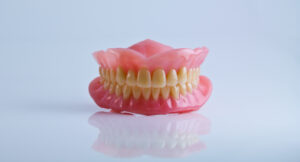
A partial denture is a removable appliance designed to replace one or more missing teeth. It can be useful when several teeth are missing or when a removable solution is more appropriate for the patient’s situation.
Partial dentures can restore function while also improving the appearance of the smile.
Implant-Supported Restorations
Implant-supported restorations use dental implants to provide additional support for a replacement tooth or restoration. They may be suitable for patients who need greater stability than a traditional removable restoration can provide.
The option should fit the case, not be picked like a menu item.
Missing Tooth Checklist: Included vs Extra
| Often Included | Often Extra |
|---|
| Dental examination | Additional diagnostic procedures |
| Review of the missing tooth and surrounding area | Treatment for existing dental problems |
| Discussion of suitable replacement options | Preparatory procedures when clinically required |
| Personalized treatment recommendations | Follow-up care based on the chosen treatment |
One factor that can shift the overall treatment plan is the condition of the teeth, gums, and bone around the missing tooth. If these areas need attention before replacement, your dentist may recommend addressing those concerns first.
Affinity Dental Peoria Heights’s Missing Tooth page explains when treatment is recommended and why proper case evaluation matters when choosing a tooth replacement option.
Replacing a missing tooth is not only about filling an empty space. Appropriate treatment can help restore chewing function, support your bite, and protect the overall balance of your smile.
Still Looking for the Best Missing Tooth Treatment in Peoria Heights? Contact Affinity Dental Peoria Heights
Affinity Dental Peoria Heights provides case-based dental evaluations to help patients understand their options for replacing missing teeth. The recommended treatment depends on your individual dental needs, oral health, and the condition of the surrounding area.
A simple path to treatment is:
- Consult: Discuss your missing tooth and dental concerns with the dental team.
- Confirm scope: Evaluate the surrounding teeth, gums, bite, and supporting structures.
- Choose an option: Review the suitable replacement choices for your case.
- Get the plan in writing: Understand the recommended treatment and follow-up care before proceeding.
If you have a missing tooth and want to understand your replacement options, contact Affinity Dental Peoria Heights at 309 327-3333 or visit the dental office at 4450 N Prospect Rd Ste S5, Peoria Heights, IL.